A garage door that stops short leaves your home open to weather, pests, and anyone walking by. The cause can be as small as a dirty sensor or as serious as a broken spring, and the way the door behaves usually points to which one. Global Discount Doors repairs doors that won't close across Quakertown, Souderton, Telford, and the rest of Bucks and Montgomery counties.
This guide covers doors that stop short, leave a gap, or refuse to start down. If your door gets partway down or touches the floor and then bounces back up, see our guide to why a garage door reverses before it closes.
Start With What the Door Is Doing
| What you see | Most likely cause | Safe to check yourself? |
|---|---|---|
| Door won't start down from the remote and opener lights flash | Safety sensors | Yes |
| Remote does nothing, wall button works | Remote battery or a lock setting | Yes |
| Door stops a few inches above the floor every time | Close travel limit set short | Yes, using your manual, then a safety test |
| Door stops at the same spot with grinding or rubbing | Debris, bent track, or worn rollers | Look only; track repair is technician work |
| Door closes crooked or leaves a gap on one side | Broken cable or spring, worn seal, or uneven floor | Seal and floor yes; springs and cables no |
| Door is heavy or won't move by hand | Broken spring | No, call a technician |
The Most Common Causes
1. Blocked or Misaligned Safety Sensors
The opener won't drive the door down unless both photo eye sensors near the floor can see each other's beam. A blinking or dark sensor light, often paired with flashing opener lights, is the giveaway. Clear the opening, wipe the lenses, and realign the sensors. Our guides to garage door sensor light colors and sensor lights that indicate a problem walk through each step.
2. Travel Limits Set Too Short
Travel limits tell the opener where to stop. If the door halts a few inches above the floor at the same spot every time, the close limit is likely set short. Chamberlain's troubleshooting guide notes that incorrect travel limits can make a door stop early or reverse, and that a door that doesn't move smoothly usually has a door problem, not an opener problem. Adjust the limits using your owner's manual, then run the safety reverse test described in our reversing guide. Chamberlain also warns never to use force adjustments to make up for a door that binds or sticks.
3. Something in the Track
Debris, a dented track, or worn rollers can stop the door at the same point on every trip. Look along both tracks with the door open and remove anything that doesn't belong. Straightening a track or putting a door back on its track is a job for a technician, because a door that slips out of its track can fall.
4. A Broken Spring or Cable
Springs carry most of the door's weight. When one breaks, the opener struggles and the door may stop, close crooked, or refuse to move. Running the opener with a broken spring can strip its gears or burn out the motor. Springs and cables are under high tension and should only be handled by a trained technician. Our garage door spring repair service replaces springs in matched pairs and rebalances the door.
5. Remote and Lock Settings
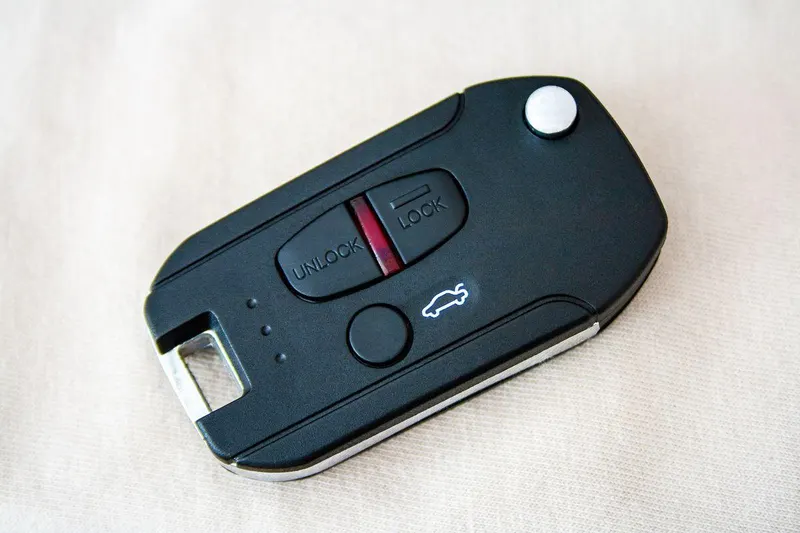
If the wall button closes the door but the remote doesn't, start with the remote's battery. A single dead remote is usually a battery or programming issue, while every remote failing at once points to the opener's receiver. Some wall controls also have a lock setting that blocks remote signals, and Genie's opener manuals list a locked wall console as one of their diagnostic conditions.
6. Weather Seal, Floor, and Winter Ice
A door that closes with a gap on one side may have a worn bottom seal or a garage floor that has settled unevenly. In winter, the bottom seal can freeze to the slab or ride up on ice that keeps the door from seating. Chip ice away gently and keep the threshold clear of snow instead of forcing the door down.
A Quick Check You Can Do Safely
Before calling for service, run through these steps:
- Check both sensor lights and clean the lenses.
- Clear the opening and look along both tracks for debris.
- Try the wall button as well as the remote.
- With the door fully closed, pull the emergency release and lift the door by hand. The International Door Association says a balanced door should rise smoothly and stay open.
- Lower the door and reconnect the opener following your owner's manual.
If the door feels heavy, drops quickly, or won't stay put during step 4, stop there. That points to a spring problem. Never stand or walk under a door that has stopped partway open, a warning federal rules require in every opener manual (16 CFR 1211.16).
When to Call a Technician
Call for help if a spring or cable looks damaged, the door is off its track, the balance test fails, or the door still won't close after you've checked the sensors and limits. Our garage door repair technicians carry common parts on the truck, and most repairs are finished in one visit, often the same day you call. If the opener itself is the problem, our garage door opener repair team handles gears, logic boards, and sensors.
Frequently Asked Questions
The close travel limit is usually set short. Adjust it using your owner's manual, then test the safety reverse with a 2x4 laid flat under the door.
Check the remote's battery first. If the sensors are acting up, some openers will still close while you hold the wall button down, even though the remote won't work until the sensors are fixed.
Yes. Ice at the threshold or a frozen bottom seal can stop the door short, and an aging spring is more likely to snap on the first hard freeze.
Not if the door is heavy, crooked, or making new noises. Those signs point to springs or cables, and running the opener can cause more damage.
Fix the sensors if they're the cause, or hold the wall button if your opener allows it. Only close the door by hand with the emergency release if it lifts and lowers easily.
Get Your Door Closing Again
Most doors that won't close come down to sensors, travel limits, or something in the track, and a few minutes of checking often solves it. When the problem is a spring, a cable, or a bent track, it's time for a technician. Global Discount Doors diagnoses the door on site and gives you a firm price before any work begins. Contact us or call (267) 804-3667, seven days a week.